
What this guide covers
- Beijing's top things to do at a glance
- How to plan your days in Beijing
- Central Beijing: the imperial heart
- Old Beijing: hutongs and the Drum Tower area
- Temples and gardens
- Modern Beijing
- Day trips: the Great Wall and beyond
- Food and evenings
- Practical tips for sightseeing in Beijing
- What to skip (or do differently)
- How many days do you need for these things to do?
- See Beijing with a local guide
- Things to do in Beijing FAQ
The best things to do in Beijing are the Forbidden City, the Great Wall at Mutianyu, the Temple of Heaven, the Summer Palace and an afternoon in the hutongs, finished with a Peking duck dinner. Plan one area of the city per half day, carry your passport, and book the Forbidden City ahead because it sells no tickets on the day.
Beijing at a glance
- Days needed
- 3 days minimum for a first visit
- Forbidden City
- ¥60 Apr–Oct · ¥40 Nov–Mar
- Closed Mondays
- Forbidden City (except holidays)
- Booking
- Forbidden City: online only, no same-day tickets
- Subway
- ¥3–6 per trip
- ID
- Passport needed at most sights
Beijing’s top things to do at a glance
| Thing to do | Area | Time needed | Book ahead? |
|---|---|---|---|
| Forbidden City | Centre | About 3 hours | Yes, with your passport; closed Mondays |
| Tiananmen Square | Centre | 30–60 minutes | Security check with passport |
| Jingshan Park | Centre | About 1 hour | No |
| Hutongs and Drum Tower area | North centre | Half a day | No |
| Temple of Heaven | South | About 2 hours | Check current rules |
| Lama Temple | North-east | About 1.5 hours | Check current rules |
| Summer Palace | North-west | Half a day | Ticket on site or online |
| Great Wall at Mutianyu | 70 km north-east | A full day | Passport ticket |
| 798 Art District | North-east | 2–3 hours | No |
| Peking duck dinner | Anywhere | 1.5 hours | Reserve popular places |
How to plan your days in Beijing
Beijing is large and the major attractions are spread out, so it’s best to plan one area of the city for each half day. Visit the Forbidden City, Tiananmen Square and Jingshan Park on one morning, the hutongs in the afternoon, and keep the Summer Palace and the Great Wall for separate days.
Most plans are shaped by two rules. The Forbidden City is closed on Mondays (except national holidays) and sells no same-day tickets, so fix that date first and plan the rest around it (our Forbidden City tickets guide explains how to book). Your passport is needed almost everywhere: at ticket gates, at the security checks around Tiananmen Square and at your hotel. Carry it with you every day.
Central Beijing: the imperial heart
Tiananmen Square
Most first-timers begin at the large square in the heart of the city. You enter through a security check with your passport, and the conditions of entry have changed a number of times in recent years, so check the current rules a few days before you go. The morning is the quietest time. From the north side of the square you walk straight into the Forbidden City.
The Forbidden City
The former imperial palace is the sight almost everyone puts first, and it is worth the time. Take the main path from the south gate to the north gate and allow about three hours. Tickets are sold online only, are issued with your passport number, and cost ¥60 from April to October and ¥40 from November to March. The palace opens at 8:30 and is closed on Mondays. Book as soon as your dates are set, because popular days fill up quickly.
Jingshan Park
When you leave the Forbidden City by its north gate, Jingshan Park is right across the road. The short climb to the pavilion on top gives the best view in Beijing: the golden roofs of the palace stretch out in front of you, and it is the moment the scale of the place finally makes sense. This is a great place to catch the late afternoon light.
Beihai Park
Beihai Park, a former imperial garden just west of Jingshan, is built around a lake, with a white dagoba on an island. It’s a quiet spot to unwind after the palace, and a place where locals come to walk, dance and sing.
Old Beijing: hutongs and the Drum Tower area
The Bell and Drum Towers
The two old towers stand at the northern end of the city’s central line. The Drum Tower is the one most people climb, for a view over the grey rooftops of the hutongs around it. It is a great place to start an afternoon stroll in old Beijing.
Walking the hutongs
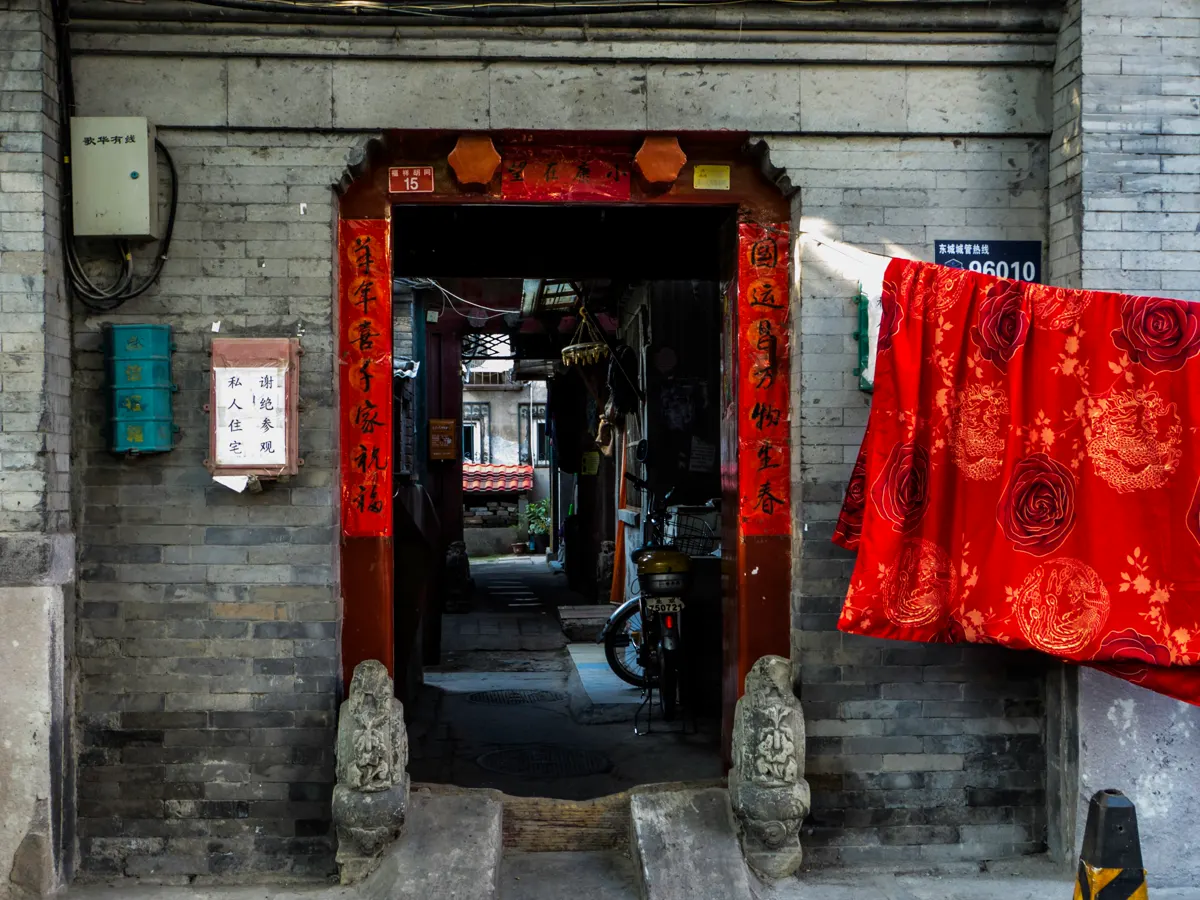
The hutongs are the narrow lanes of old courtyard houses, where you see everyday Beijing: breakfast stalls, small shops, bicycles and neighbours chatting outside their doors. The lanes around the Drum Tower and Nanluoguxiang are the most convenient to explore. Nanluoguxiang itself is bustling and touristy, so wander into the side lanes for a quieter, more authentic feel. A rickshaw ride is a great way to see more, with a guide who can tell you what you’re looking at.
An evening at Houhai
The Shichahai lakes, often just called Houhai, sit next to the hutongs. In the evening the lakeside fills with bars, live music and people walking. It is a convenient place to finish a day in this part of town.
Temples and gardens
Temple of Heaven
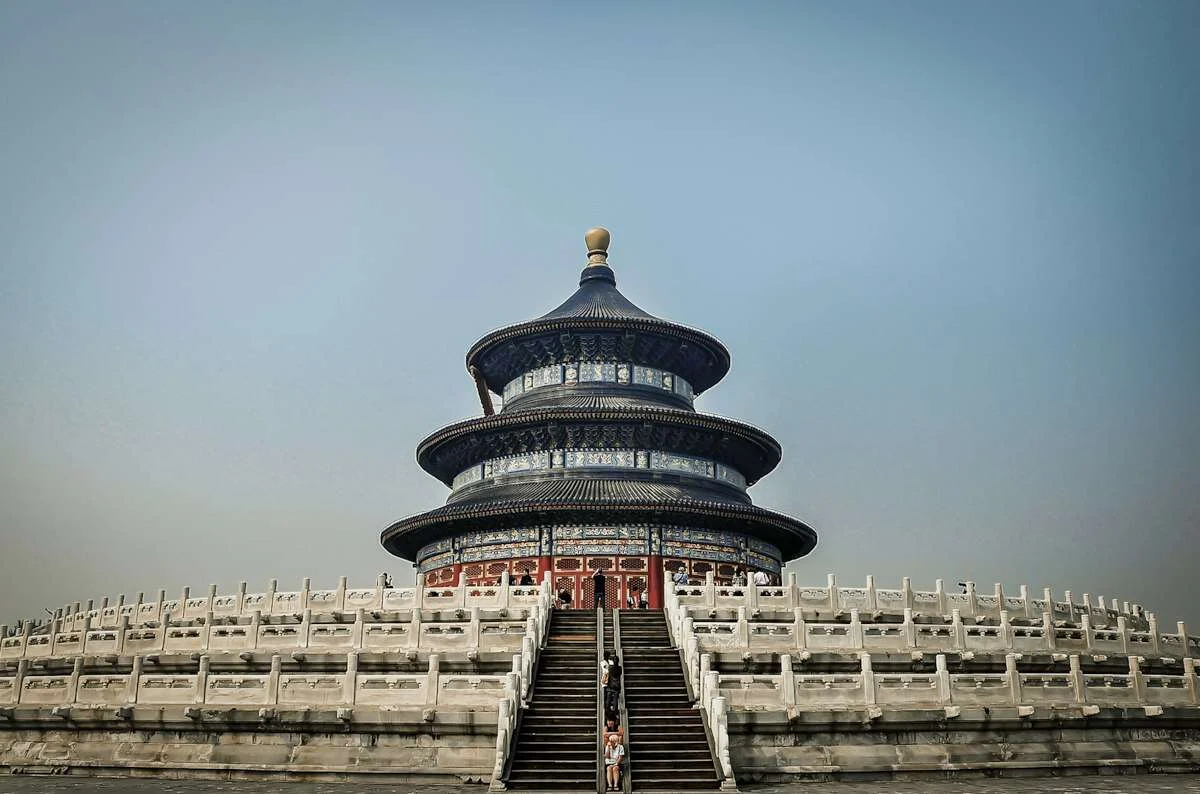
The Temple of Heaven is a Ming-dynasty complex set in a large park in the south of the city. The round Hall of Prayer for Good Harvests is one of Beijing’s best-known buildings. Come early in the morning, when local residents fill the park with tai chi, card games, dancing and choir practice; the park life is as memorable as the temple. Our Temple of Heaven guide covers tickets, Monday closures and the best route.
Lama Temple and the Confucius Temple
In the north-east of the old city, the Lama Temple (Yonghegong) is a working Tibetan Buddhist temple, with a series of halls that grow larger as you walk further in. It’s busy with local worshippers, so dress modestly and don’t take photos inside the halls. The Confucius Temple is a short walk away on a quiet tree-lined street, and the two make a good half-day pair.
The Summer Palace
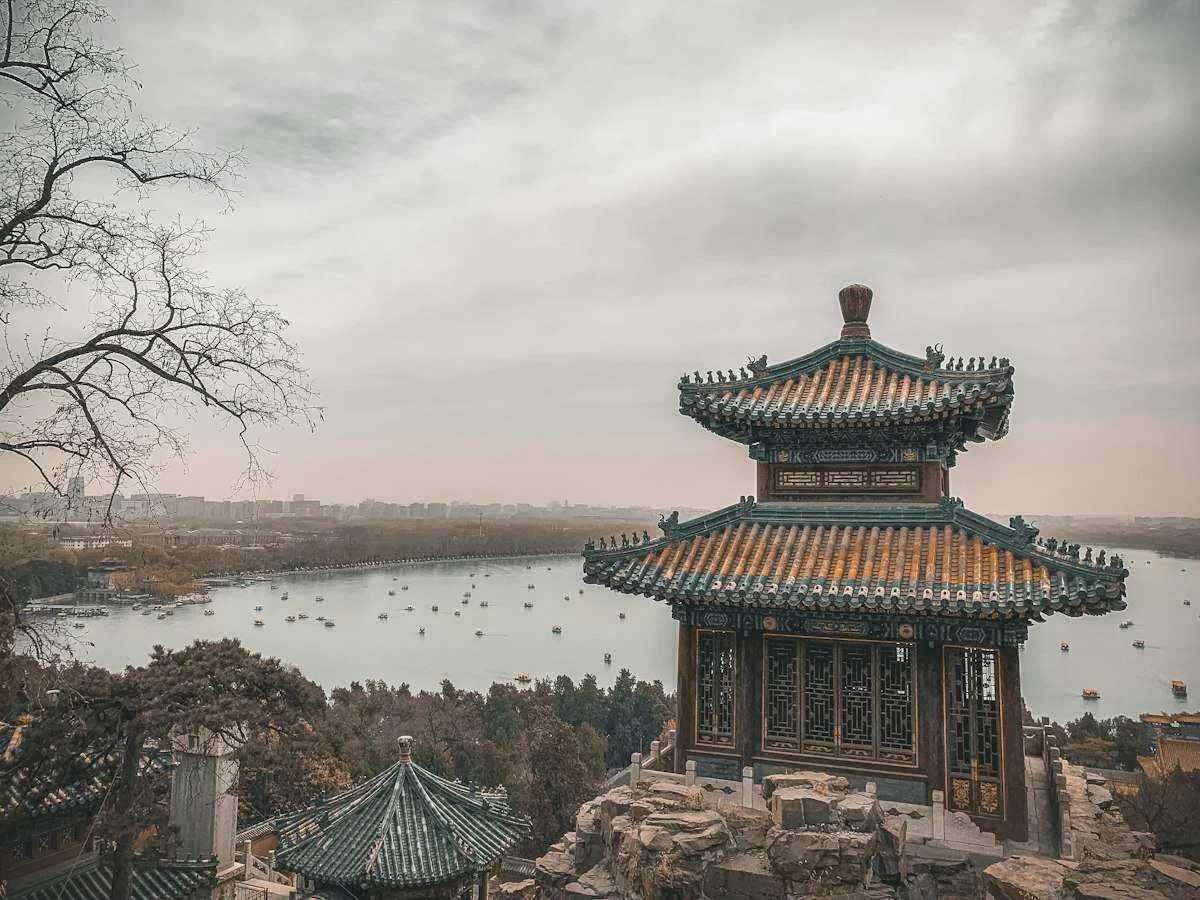
The Summer Palace is the imperial lakeside garden in the north-west, built around Kunming Lake and Longevity Hill. If the weather is fine, walk the Long Corridor, climb the hill and cross the lake by boat. It needs half a day. From April to October entry is ¥30, or ¥60 for the combined ticket that includes the inner sights. It is quite a distance from the centre, so it is best on its own day or with the nearby Old Summer Palace.
The Old Summer Palace (Yuanmingyuan)
Close to the Summer Palace, the Old Summer Palace is a park of lakes and ruins, including the remains of European-style palaces destroyed in 1860. It is quieter and more reflective than its neighbour, and is worth an hour or two if you are in the area.
Modern Beijing
Olympic Park: the Bird’s Nest and the Water Cube
The 2008 Olympic Park is in the north of the city. The Bird’s Nest stadium and the Water Cube are most impressive at night, when they are lit up. A walk around the outside is free and takes about an hour; going inside is optional.
798 Art District
The 798 Art District is a former factory complex in the north-east, now full of galleries, studios, cafes and shops. It is a casual contrast to the imperial sights and a great afternoon option. Many of the galleries are free to enter.
Day trips: the Great Wall and beyond
The Great Wall at Mutianyu
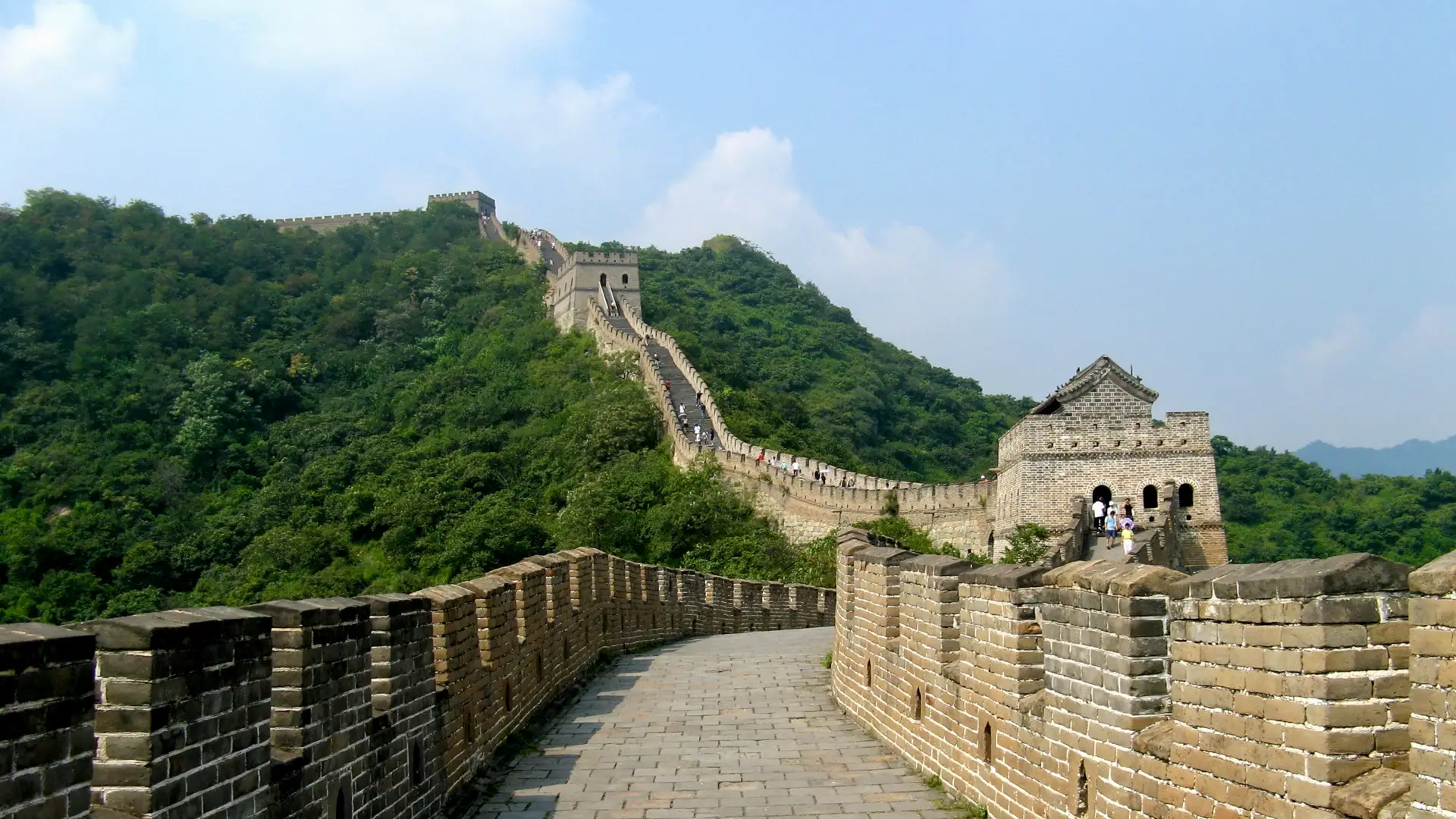
A day on the Great Wall is the highlight of most trips, and Mutianyu is the section we suggest for first-time visitors. It is about 70 km from central Beijing, has many restored watchtowers, and offers a cable car up and a toboggan down. Adult entry is ¥45, and the cable car costs ¥140 return. Read our full Mutianyu Great Wall guide for tickets, routes and how to get there.
Other Great Wall sections
Jinshanling is wilder and good for hiking and photography, while Badaling is the most developed and often very crowded. Hikers can also take the route from Jiankou to Mutianyu, a steeper and less restored path.
The Ming Tombs
The Ming Tombs are the burial site of Ming-dynasty emperors, north of the city. Many visitors combine them with the Great Wall on the same day, as they lie in the same direction.
Food and evenings
Peking duck
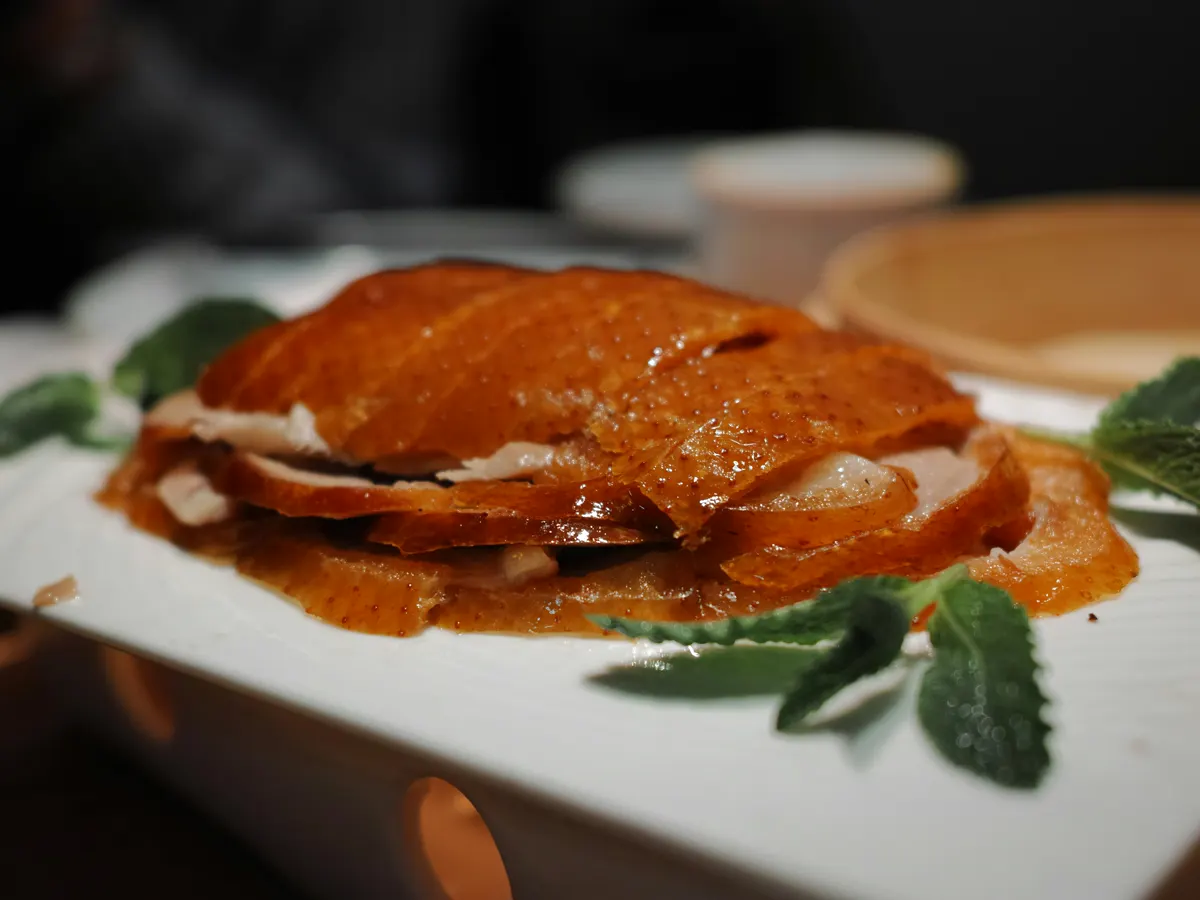
Everyone wants to eat roast duck in Beijing: carved at the table and wrapped in thin pancakes with scallion and sweet bean sauce. Book popular restaurants ahead, particularly for dinner.
Hotpot, dumplings and street snacks
Copper-pot lamb hotpot is a Beijing favourite in winter, and dumpling restaurants are everywhere. For breakfast, look for jianbing, a crepe with egg and a crisp cracker made on the spot at street stalls.
A kung fu or acrobatics show
An evening show is a simple, entertaining way to end a day of sightseeing, and it suits children well. Several theatres in the city offer nightly performances.
Panjiayuan market
Panjiayuan is a big antiques and flea market in the south-east, at its busiest on weekend mornings. Treat anything you buy as a souvenir rather than a real antique, and bargain politely.
Practical tips for sightseeing in Beijing
A few small things make a big difference to how smoothly your days go:
- Carry your passport every day. You need it for tickets, security checks and hotel check-in.
- Check the day of the week. The Forbidden City and many museums close on Mondays.
- Use the subway. It is the fastest way across the city, with English signs and fares of ¥3–6 depending on distance. Every station scans bags, so allow a few extra minutes.
- Use DiDi for taxis. You can open it inside Alipay with an English screen, and drivers rarely read English addresses, so keep your hotel and each day’s sights saved in Chinese.
- Start early. The big sights are quietest in the first hour after opening, and the drive to the Great Wall is faster before the morning traffic.
What to skip (or do differently)
Some well-known stops are not worth your limited time. Wangfujing Snack Street is geared towards tourists, with expensive, gimmicky food; you’ll eat better in a regular neighbourhood restaurant. On a holiday, go to Tiananmen Square early in the morning, as there are long queues at the security checks by midday.
Beware of friendly strangers near the big sights who invite you for tea or to an “art exhibition”; it’s a common scam that ends with a huge bill. And don’t rely on cash: nearly everything in Beijing is paid by phone, so set up Alipay or WeChat Pay before you arrive and keep a little cash only as a backup.
How many days do you need for these things to do?
It’s tight, but with two days you can see the Forbidden City, Tiananmen Square and Jingshan on day one and the Great Wall at Mutianyu on day two. For a first visit we recommend at least three days: add the Temple of Heaven and the hutongs. Four or five days let you include the Summer Palace, the Lama Temple, 798 and a slower morning, and you will have time to rest after a long flight.
See Beijing with a local guide
Explore China Now is a licensed Chinese travel agency. Our English-speaking guides can show you the best of Beijing on a private or small-group trip:
Things to do in Beijing FAQ
What is Beijing most famous for?
The Forbidden City, the Great Wall, the Temple of Heaven and Peking duck. It has been China’s capital for most of the last 800 years, and its imperial sights are the main draw.
How many days do you need in Beijing?
Three days is a good minimum for a first visit. Add one or two more if you want to include the Summer Palace, the Lama Temple and a slower pace.
What are the best things to do in Beijing for first-timers?
The Forbidden City, the Great Wall at Mutianyu, the Temple of Heaven, a walk in the hutongs and a Peking duck dinner.
What can you do for free in Beijing?
Walk the hutongs, stroll around the Olympic Park at night, browse the 798 Art District and visit Tiananmen Square (with a security check).
Do I need to book attractions in Beijing in advance?
Yes for the Forbidden City, which sells no tickets on the day. Bring your passport for all major sights.
Prices and opening rules checked in November 2026. They change, so check again before you go.