
What this guide covers
- Great Wall of China map: where is the wall?
- A short history of the Great Wall
- Great Wall map near Beijing: the main sections
- Which Great Wall section should you visit?
- Pick by your situation
- How to get to each section from Beijing
- Visiting the Great Wall in winter and at night
- How much time do you need for the Great Wall?
- Can you see the wall and the city in one day?
- Before you go
- Visit the Great Wall with a local guide
- Great Wall of China map FAQ
A Great Wall of China map shows the wall stretching across the north of the country, from the Bohai Sea near Shanhaiguan in the east to Jiayuguan in the Gobi in the west. According to official surveys, there are 21,196 km of wall in 15 provinces and regions. Most visitors see it near Beijing, and Mutianyu is the easiest good choice for a first visit.
Last checked: November 2026
Great Wall of China map: where is the wall?
The Great Wall is not a single wall. It is a collection of many walls built by various dynasties over about 2,000 years, scattered across northern China. The most famous section, and the one most often seen in photographs, is the Ming wall, which runs from Shanhaiguan on the coast of Hebei, through the mountains north of Beijing, to the Jiayuguan fort in Gansu.
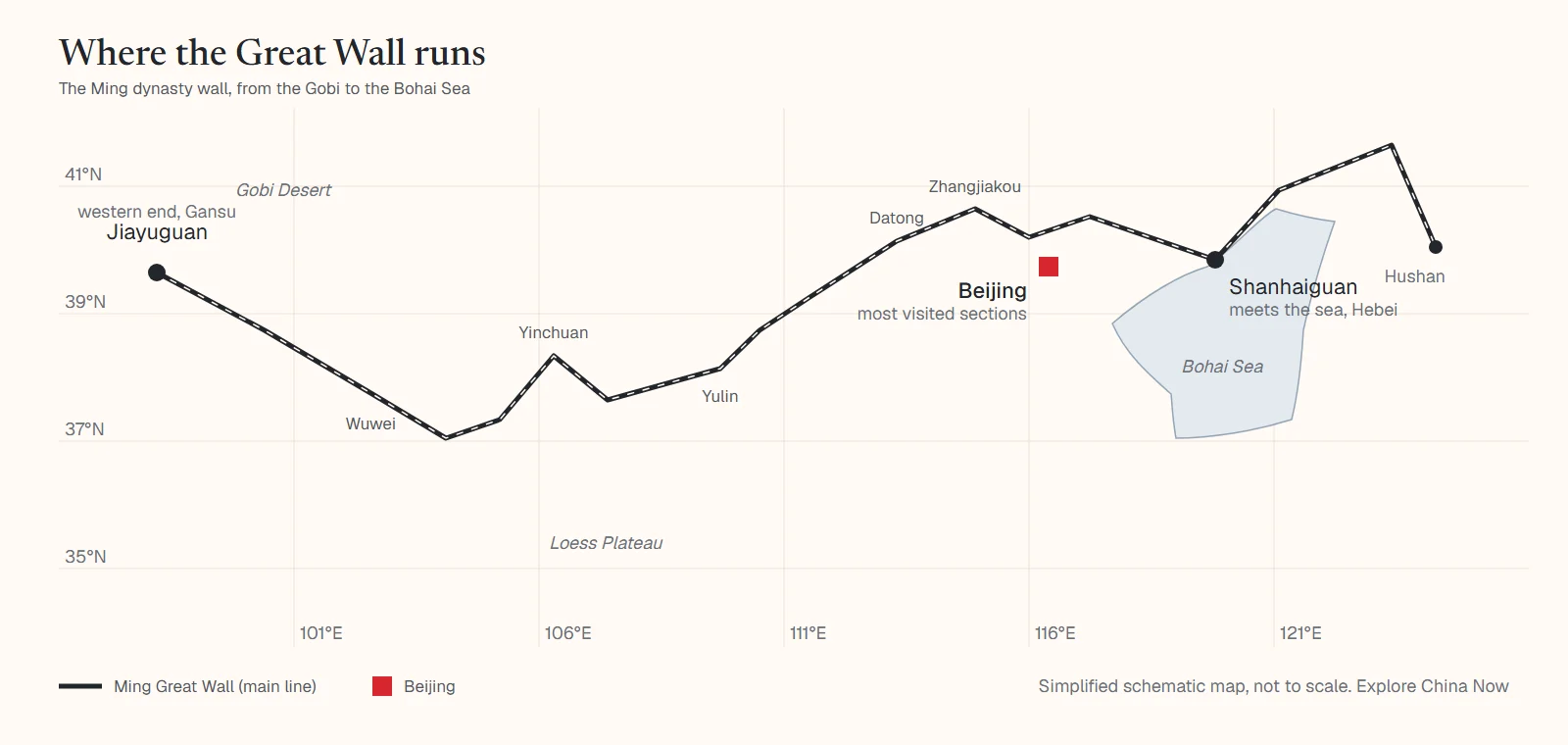
In 2012, China’s cultural heritage authority released survey results that gave the total length of all walls as 21,196.18 km (Xinhua). The wall crosses 15 provincial-level regions. For a visitor, though, the simple fact is that the restored, easy-to-reach sections are concentrated in the hills around Beijing, one to three hours from the city.
A short history of the Great Wall
The Great Wall was built over a long period of time. According to UNESCO, around 220 BC the first emperor, Qin Shi Huang, joined earlier walls into a single defence against invaders from the north. Construction continued on and off until the Ming dynasty (1368 to 1644), when the wall became the largest military structure in the world.
The brick and stone wall you walk on near Beijing is Ming work. Older walls survive further west, such as the rammed-earth walls of the Western Han in Gansu. UNESCO inscribed the Great Wall on the World Heritage List in 1987, and it also notes that tourist buildings and the cable car have changed the look of the wall at Badaling.
Great Wall map near Beijing: the main sections
Seven sections cover nearly all trips from Beijing. They sit in an arc to the north of the city, in the Yanqing, Changping, Huairou and Miyun districts, and Jinshanling is just across the border in Hebei.
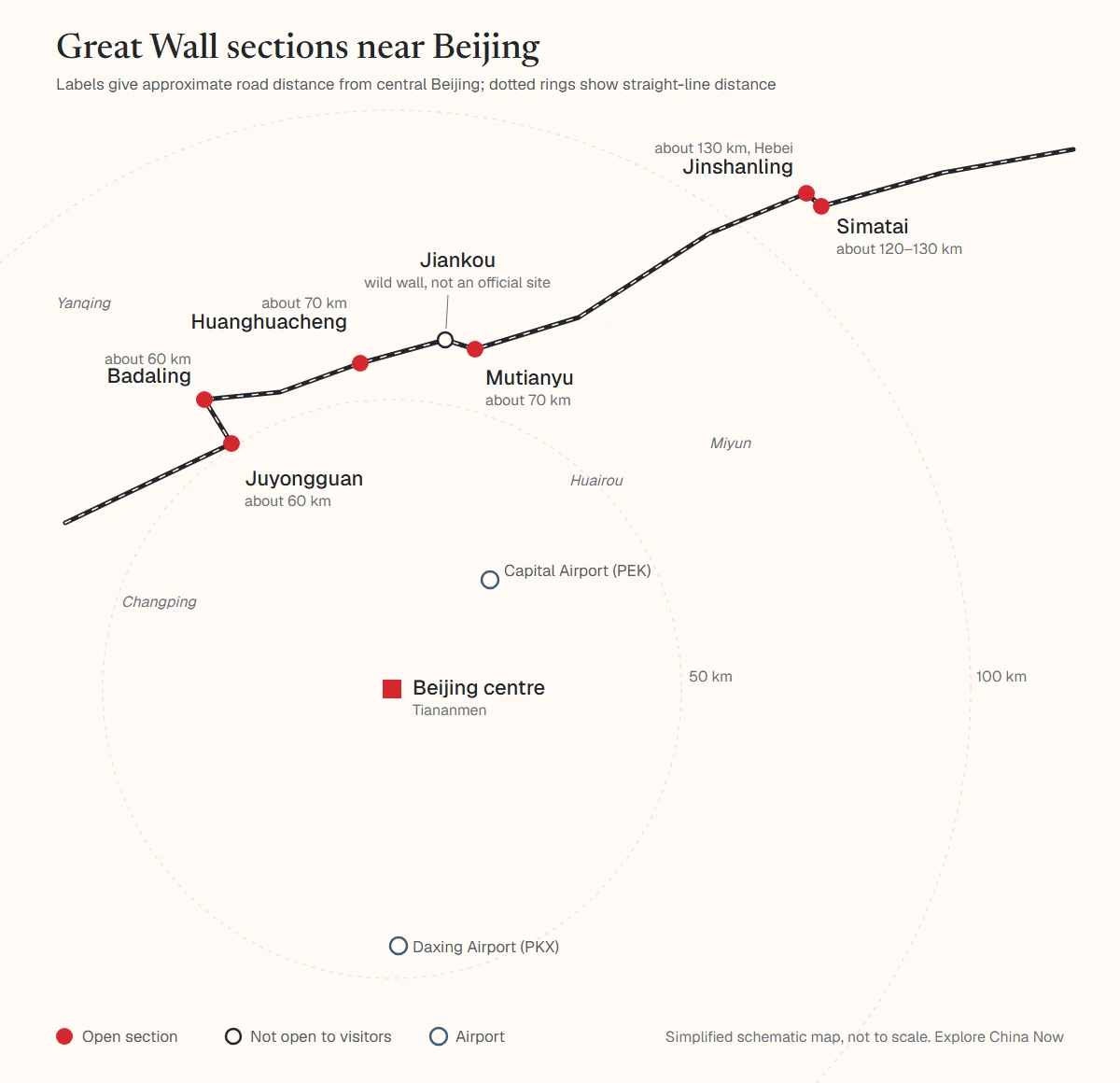
| Section | Where | Distance from central Beijing | Condition | Crowds | Lift | Best for |
|---|---|---|---|---|---|---|
| Mutianyu | Huairou | About 70 km | Restored | Medium | Cable car, chairlift, toboggan | First visit, families |
| Badaling | Yanqing | About 60 km | Restored | Highest | Cable car | Train access |
| Juyongguan | Changping | About 60 km | Restored | Medium | None | Short visit |
| Huanghuacheng | Huairou | About 70 km | Partly restored, by a lake | Lower | None | Lake views, quieter walk |
| Jinshanling | Luanping, Hebei | About 130 km | Partly restored | Low | Cable car | Photographers, hikers |
| Simatai | Miyun | About 120–130 km | Partly restored | Medium | Cable car | Night visit with Gubei Water Town |
| Jiankou | Huairou | Not officially listed | Wild, unrestored | Low | None | Not an official scenic area |
Distances are approximate road distances from official or two independent sources. Travel times depend heavily on Beijing traffic.
Which Great Wall section should you visit?
Mutianyu is the best balance for most first-timers. It is completely restored, there is a cable car up and a toboggan down, the views across the forested hills are broad, and it is not as crowded as Badaling. Choose a different section only if one of the situations below fits you better.
Mutianyu: the easiest good choice
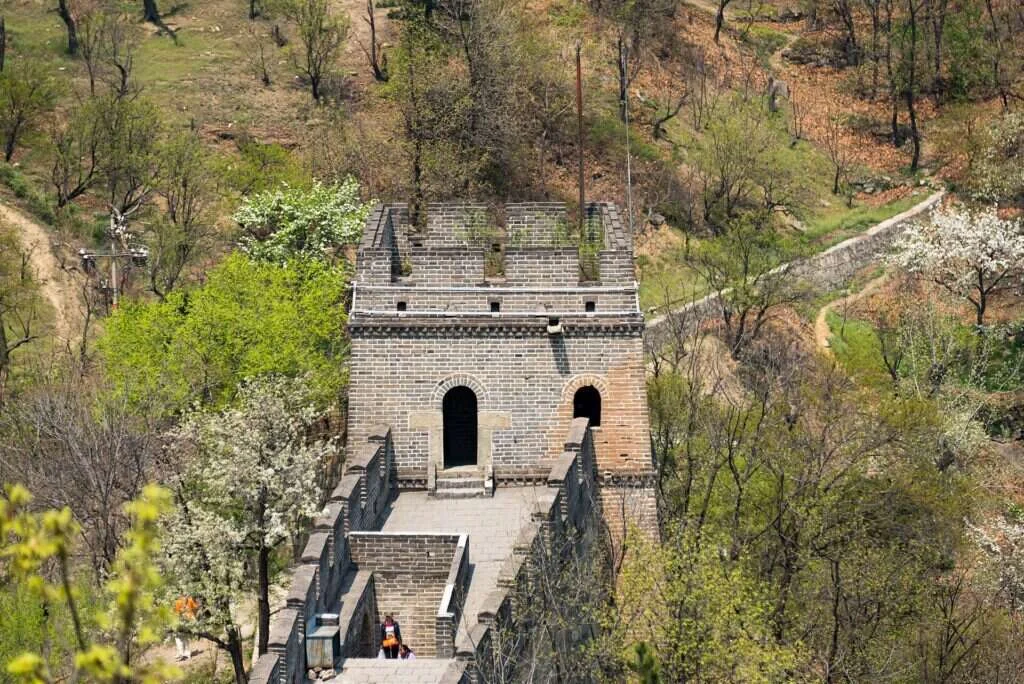
Mutianyu is about 70 km from central Beijing in Huairou District. The entrance ticket is ¥45, and the cable car costs ¥100 one way or ¥140 return (official site). From 16 November to 15 March it keeps off-peak hours, 8:00 to 17:30. Plan three to four hours on the wall. Our Mutianyu Great Wall guide covers tickets, routes and the toboggan in detail.
Badaling: easy by train, but busy
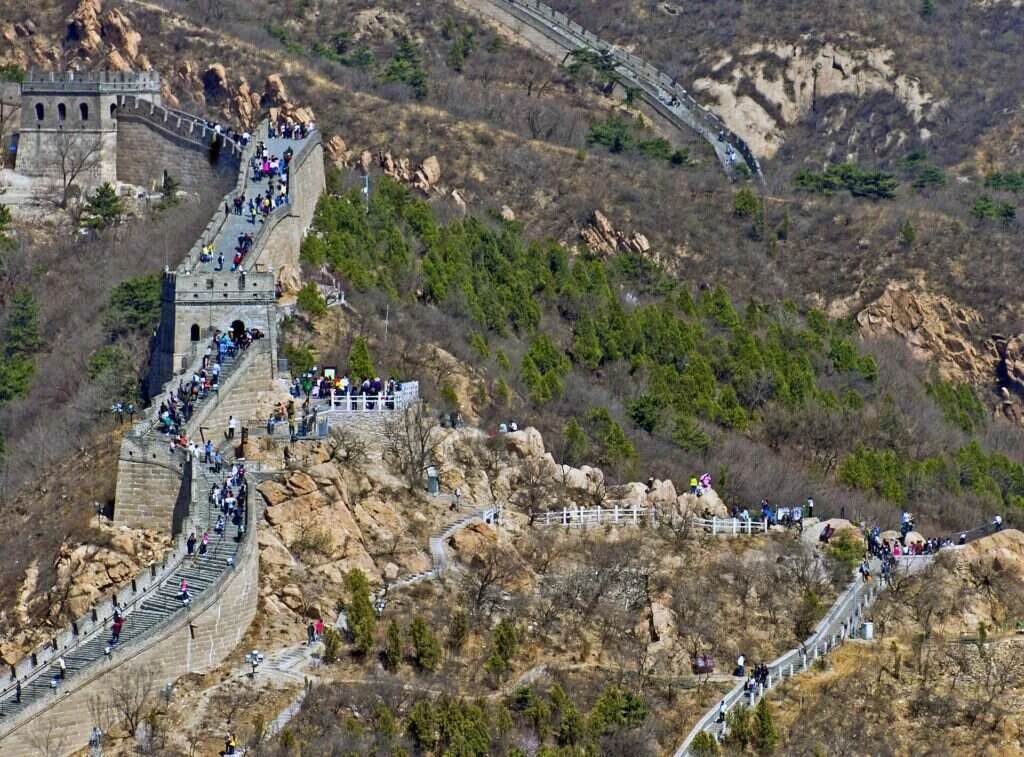
Badaling, about 60 km northwest in Yanqing, is the section most tour groups visit, and it can be the busiest. The good news is transport: high-speed trains go to Badaling Great Wall station, and a direct airport bus from Capital Airport began in February 2026 (Beijing government). The official city ticketing page gives ¥40 in peak season (1 April to 31 October) and ¥35 off-season, and a June 2026 guide states the same prices. Sources disagree on whether you need to book online in advance, so it is better to book through the official Badaling channel with your passport before you go than to rely on the gate.
Juyongguan: closest for a short visit
Juyongguan, in Changping, is a restored pass in a valley, with steep stairs on both sides. It’s ideal for those with half a day. The official city page lists a ¥40 adult ticket in peak season, with no booking needed. It also ran night opening in autumn 2025, 17:30 to 21:00, so check whether it runs when you travel.
Huanghuacheng: wall by the water
Huanghuacheng Lakeside, about 70 km away in Huairou, is the part where the wall runs down into a reservoir. It is quieter than Mutianyu, and the adult ticket on the official city page is ¥60. There is no cable car, so be prepared for stairs.
Jinshanling: for views and hiking
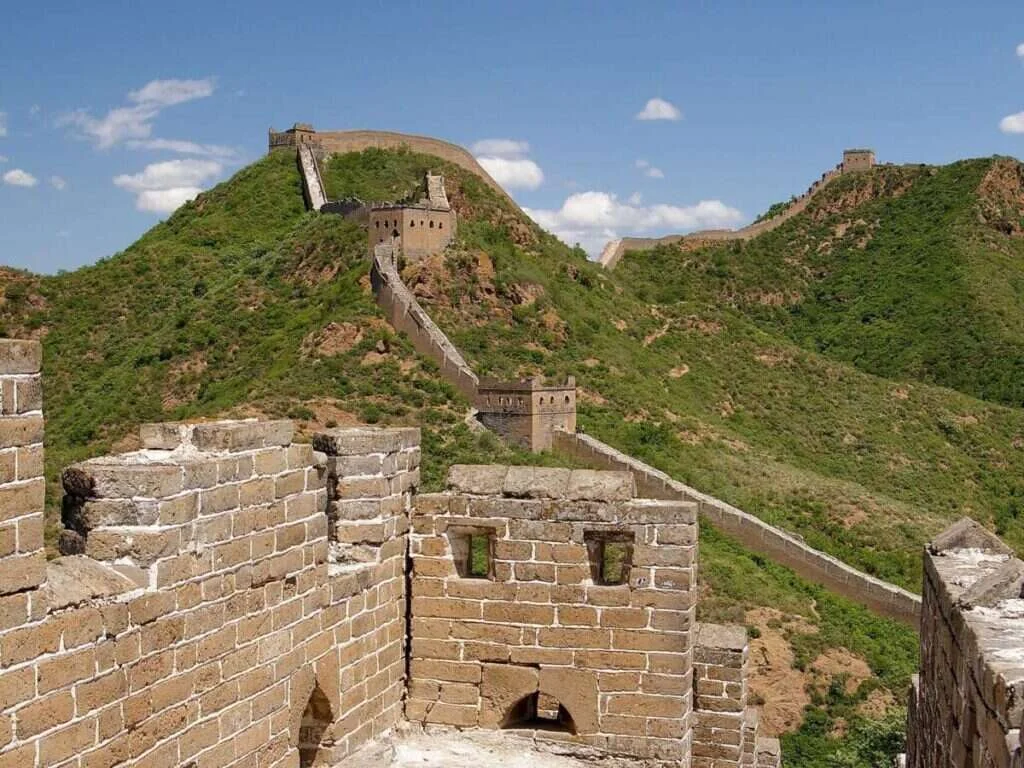
Jinshanling is about 130 km away in Hebei, roughly two and a half hours by car. It is partly restored, with long ridge views and fewer people, which makes it the favourite of photographers and walkers. Our Jinshanling hiking day tour takes care of the long drive.
Simatai: the night visit
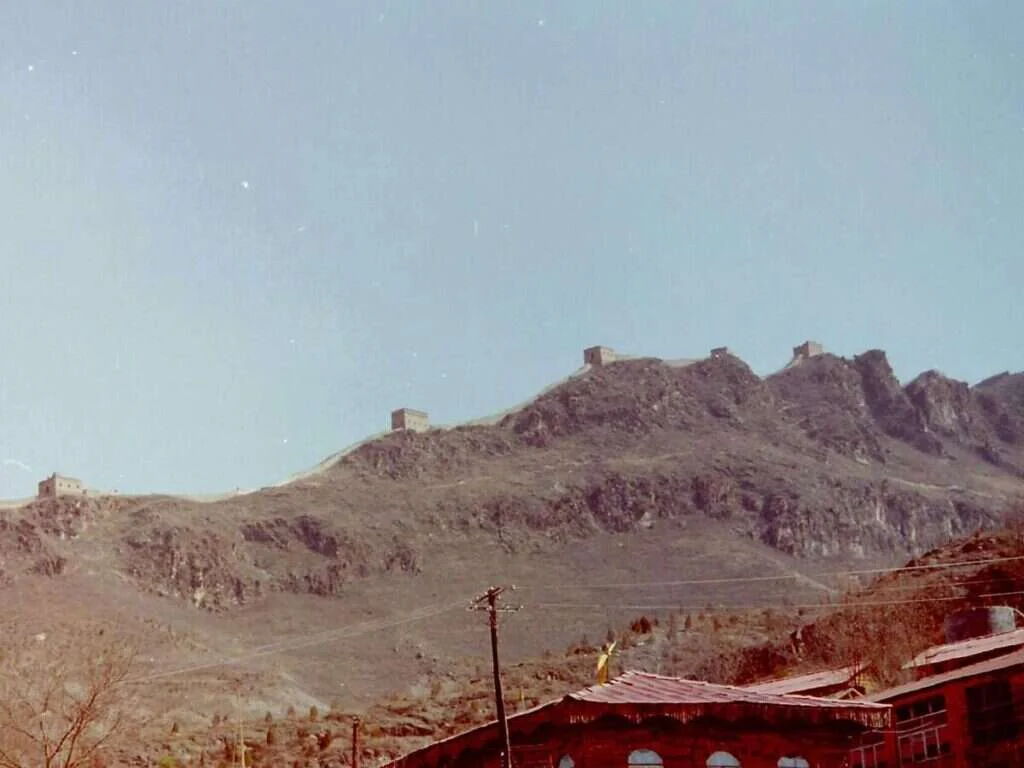
Simatai is in Miyun District and is entered through Gubei Water Town. It is one of the few places where you can walk the wall at night. Only part of the east side is open after dark, the cable car is required and tickets are booked with your passport. Prices vary from source to source, so check the Gubei Water Town booking channel before you travel. See our Simatai night tour.
Jiankou: wild wall, not an official site
Jiankou is unrestored wall on steep ridges. It is not a designated scenic area, and there are reports of fines for climbing wild sections. Since 1 March 2026, Beijing’s Great Wall protection regulations also use electronic fences to discourage unauthorized climbing (Beijing government). For a wild look with the safety of an open site, Jinshanling is the closest match.
Pick by your situation
| Your situation | Our pick | Why |
|---|---|---|
| First trip to China, one day for the wall | Mutianyu | Restored, cable car, fewer crowds than Badaling |
| Long layover at Capital Airport | Mutianyu | A good section within reach of PEK by road; see our layover tour |
| Want to go by train on your own | Badaling | High-speed train to the station |
| Travelling with young kids | Mutianyu | Cable car up, toboggan down |
| Serious hikers and photographers | Jinshanling | Long ridge walks, fewer people |
| Want to see the wall at night | Simatai | Night visits with Gubei Water Town |
| Only half a day | Juyongguan or Mutianyu | Shorter drive, short walks possible |
How to get to each section from Beijing
Public transport reaches most sections, but journeys are long and timetables change through the year. Badaling is the only section with a fast train. For the others you take a tourist bus or a city bus, or hire a car and driver.
| Section | Public transport | Time each way | Good to know |
|---|---|---|---|
| Mutianyu | Tourist bus from Dongzhimen or Qianmen | About 1.5–2 hours | Or the 916 Express and a local bus, about 3 hours |
| Badaling | High-speed train from Qinghe or Beijing North | About 20–30 minutes on the train | About 10 minutes on foot from the station; bus 877 also runs |
| Juyongguan | Tourist bus or city bus | About 1.5–2 hours | Check routes the day before |
| Huanghuacheng | Tourist bus or city bus | About 2–3 hours | No train |
| Jinshanling | Tourist bus from Dongzhimen, limited days | About 2 hours | Timetable from a 2024 source; confirm before you go |
| Simatai | Tourist bus from Dongzhimen to Gubei Water Town | About 2 hours | May not run in the low season |
A car with a driver is the easiest way to reach Mutianyu, Jinshanling and Simatai. It leaves when you are ready, waits while you walk and brings you back without changing buses. The bus timetables above come from 2024 to 2026 sources and can change, so check them a day before you travel.
Visiting the Great Wall in winter and at night
The main sections do not close for the whole winter, but days are short and the steps can be icy. Mutianyu keeps shorter off-peak hours from 16 November to 15 March, and its toboggan also runs shorter winter hours. Snow makes for great photos; just wear shoes with good grip.
Some sections open after dark in season. In 2025 the Beijing government listed night visits at Simatai all year round, at Badaling from 30 April to 7 October, and at Juyongguan on Fridays, Saturdays and holidays from 1 May to 7 October. Dates change each year, so check before you plan an evening visit.
How much time do you need for the Great Wall?
With half a day, choose a closer section such as Mutianyu or Juyongguan and go by car, and you can be back in the city by early afternoon. With a full day, you can walk a longer stretch at Mutianyu or make the drive to Jinshanling for its ridge views. With two days, spend one on the wall in daylight and add Simatai at night, staying in Gubei Water Town.
Can you see the wall and the city in one day?
Yes, if you limit it to one section. The usual plan is the Great Wall in the morning and the Forbidden City or a hutong in the afternoon. Our Forbidden City and Mutianyu day tour does just that. For more ideas, see things to do in Beijing and our Beijing travel guide.
Before you go
Every section uses real-name tickets, so bring your passport. Prices and hours change, and some sections sell out on holidays like the October Golden Week, so check the official channel a few days before you travel. Wear proper shoes: even restored sections have steep, uneven steps.
Visit the Great Wall with a local guide
Explore China Now is run by a licensed travel agency. We can take you to the wall on a private trip, with the driving and tickets handled:
Great Wall of China map FAQ
Where is the Great Wall of China on a map?
It runs across northern China, from Shanhaiguan on the Bohai Sea in Hebei to Jiayuguan in Gansu. The sections most visitors see are in the mountains north of Beijing, one to three hours from the city.
How long is the Great Wall of China?
China’s 2012 national survey counted 21,196.18 km of wall built over many dynasties, across 15 provincial-level regions. That figure includes ruined and buried sections, not one continuous wall.
Which part of the Great Wall is best to visit from Beijing?
For most first-time visitors, Mutianyu: it is restored, has a cable car and toboggan, and is less crowded than Badaling. Jinshanling suits hikers, and Simatai is the choice for a night visit.
Which Great Wall section is closest to Beijing?
Badaling and Juyongguan, both about 60 km from central Beijing, are the closest restored sections. Mutianyu is about 70 km away.
Is Mutianyu or Badaling better?
Mutianyu is usually better for scenery and fewer crowds, and it has the toboggan. Badaling is easier to reach by public train. Both are restored and both have cable cars.
Can you visit the wild Great Wall?
Wild sections such as Jiankou are not official scenic areas, and Beijing’s 2026 protection rules discourage unauthorized climbing. Choose an open section such as Jinshanling instead.
When was the Great Wall built?
From about the 3rd century BC to the 17th century, according to UNESCO. Qin Shi Huang joined earlier walls around 220 BC, and most of the wall visitors see near Beijing was built under the Ming dynasty (1368 to 1644).
Is the Great Wall a UNESCO World Heritage Site?
Yes. UNESCO inscribed the Great Wall on the World Heritage List in 1987.
Can you get to the Great Wall by train from Beijing?
Yes, to Badaling. High-speed trains from Qinghe or Beijing North take about 20 to 30 minutes. Other sections need a bus or a car.
Is the Great Wall open in winter?
Yes. The main sections near Beijing stay open in winter with shorter hours. Steps can be icy, so wear shoes with good grip.